
In short,
- Mammograms detect breast cancer early, when treatment is most effective.
- Women should discuss their personalized screening schedule with their doctor starting in their 40s.
- Choosing an accredited facility with experienced technologists ensures quality imaging.
Understanding Mammograms and Their Importance
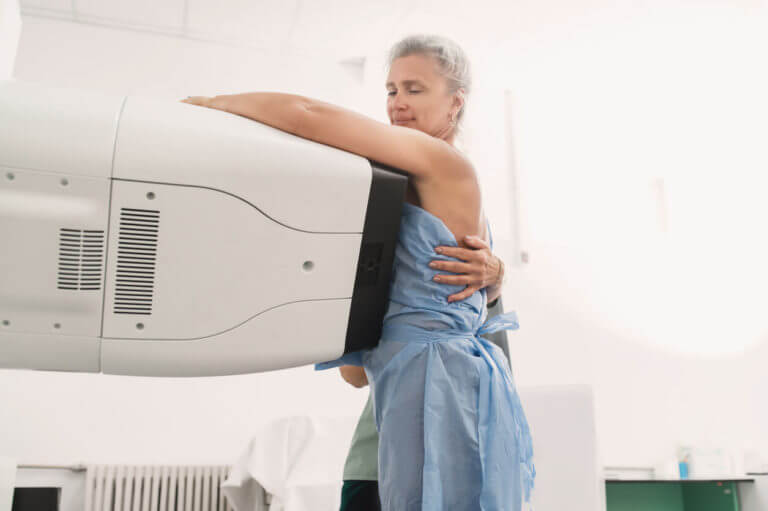
Finding a reliable location for a mammogram is essential for maintaining proactive breast health. A mammogram is a low-dose X-ray examination of the breast used to screen for breast cancer, often detecting abnormalities before any symptoms appear. Early detection through regular mammography leads to more effective treatment options and improved survival rates.
Mammograms serve as a cornerstone of comprehensive breast health care, allowing healthcare providers to identify potential concerns at their most treatable stages.
Types of Mammograms
There are two primary types of mammograms, each serving a distinct purpose in breast health management.
Screening mammograms are performed on women without breast symptoms to detect early signs of cancer.
Diagnostic mammograms investigate suspicious findings from screening exams or evaluate specific breast symptoms such as lumps or nipple discharge.
Three-dimensional mammography, also known as tomosynthesis, captures multiple images of the breast from different angles, providing more detailed visualization and potentially reducing false positive results.
Who Should Get a Mammogram?
Healthcare experts recommend that women begin discussing mammogram screening with their physicians in their 40s. The American Cancer Society provides the following general guidelines for women at average risk:
- Women ages 40 to 44 have the option to begin annual screening mammograms.
- Women ages 45 to 54 should receive mammograms every year.
- Women 55 and older may continue with annual screening or transition to screening every two years, depending on their preferences and health status.
Women with elevated risk factors may need to begin screening earlier or undergo more frequent examinations. Risk factors include a family history of breast or ovarian cancer, genetic mutations such as BRCA1 or BRCA2, a personal history of breast cancer, or certain benign breast conditions.
A personalized discussion with your healthcare provider is essential to determine the most appropriate screening schedule for your individual circumstances.
Preparing for Your Mammogram
Proper preparation helps ensure the highest quality imaging results. On the day of your examination, avoid wearing deodorant, perfume, powder, or lotions on your chest area, as these products can interfere with imaging quality. Wearing a two-piece outfit allows for easier changing during the procedure.
During the mammogram, a technologist will position your breast on a flat surface and apply compression using a paddle. While this compression may cause brief discomfort, it is necessary to flatten the breast tissue for clear, detailed images and to minimize radiation exposure.
Understanding Mammogram Results
Mammogram results are classified using the Breast Imaging Reporting and Data System, commonly known as BI-RADS. This standardized scale ranges from 0, indicating an incomplete assessment requiring additional imaging, to 6, representing a known cancer undergoing treatment.
Results categorized as 0 or 3 through 6 typically require additional evaluation or follow-up procedures. Your physician will discuss your results with you, explain their implications, and recommend appropriate next steps based on your specific findings.
Finding a Quality Mammogram Facility
Several important factors should guide your selection of a mammography facility to ensure you receive high-quality care.
Accreditation and Technology
Choose a facility accredited by the American College of Radiology, which ensures adherence to rigorous quality and safety standards. Consider facilities that offer three-dimensional mammography for enhanced imaging detail and accuracy.
Practical Considerations
Select a location that is easily accessible and offers convenient appointment times that fit your schedule. Verify that the facility accepts your insurance plan to avoid unexpected costs. Understanding the typical turnaround time for results can help set appropriate expectations.
How to Locate a Provider
You can find mammogram providers through several methods. Online search tools help identify nearby facilities. Your primary care physician can provide recommendations based on their professional network.
Local hospitals and imaging centers often offer comprehensive mammography services. Your insurance provider maintains lists of in-network facilities that can help minimize your out-of-pocket expenses.
Benefits and Limitations of Mammograms
Understanding both the advantages and limitations of mammography helps you make informed decisions about your breast health care.
Benefits of Regular Screening
Regular mammogram screening enables early cancer detection when tumors are small and most responsive to treatment. Early detection increases survival rates and often allows for less aggressive treatment approaches, improving quality of life during and after treatment.
Understanding the Limitations
While mammograms are valuable screening tools, they are not perfect. False positive results can occur, leading to additional testing and temporary anxiety. False negative results may miss some cancers, particularly in women with dense breast tissue.
Mammograms involve low-dose radiation exposure, though the benefits of early detection generally outweigh these minimal risks for most women.
When to Seek Medical Attention
Certain breast changes warrant prompt evaluation, regardless of your mammogram schedule. Contact your healthcare provider if you notice a new lump or mass, experience nipple discharge especially if bloody, observe skin changes such as dimpling or thickening, or have persistent breast pain that does not resolve.
Common Mammogram Misconceptions
Several misconceptions about mammograms can discourage women from seeking appropriate screening. Mammograms do not detect all breast cancers with perfect accuracy, but they remain the most effective screening tool available.
The radiation dose used in mammography is very low and considered safe for routine screening. Most women diagnosed with breast cancer have no family history of the disease, making regular screening important for all women, not just those with known risk factors.
Schedule Your Mammogram in Syracuse, New York
If you are due for a mammogram or have noticed any breast changes, scheduling an appointment promptly is important for your health. Early detection and timely medical attention provide the best opportunity for successful treatment outcomes.
University OB/GYN Associates in Syracuse, New York, offers comprehensive breast health care with state-of-the-art imaging technology. Call us at (315) 464-5162 or contact us online to schedule your mammogram.


